Case study
The robotic mussel: sensing from inside the mussel bed
A custom-engineered robotic mussel with embedded sensors that autonomously measures flow, temperature and oxygen within the interstitial spaces of mussel beds — data previously impossible to collect.

Project type: Custom electronics and sensing
The problem
Conditions inside a mussel bed — between and beneath the animals — can differ sharply from the water just above it. Those micro-environments drive feeding, growth and stress, but conventional sensors are too large and too different in shape to sit among live mussels without changing the very flow they're trying to measure.
Our solution
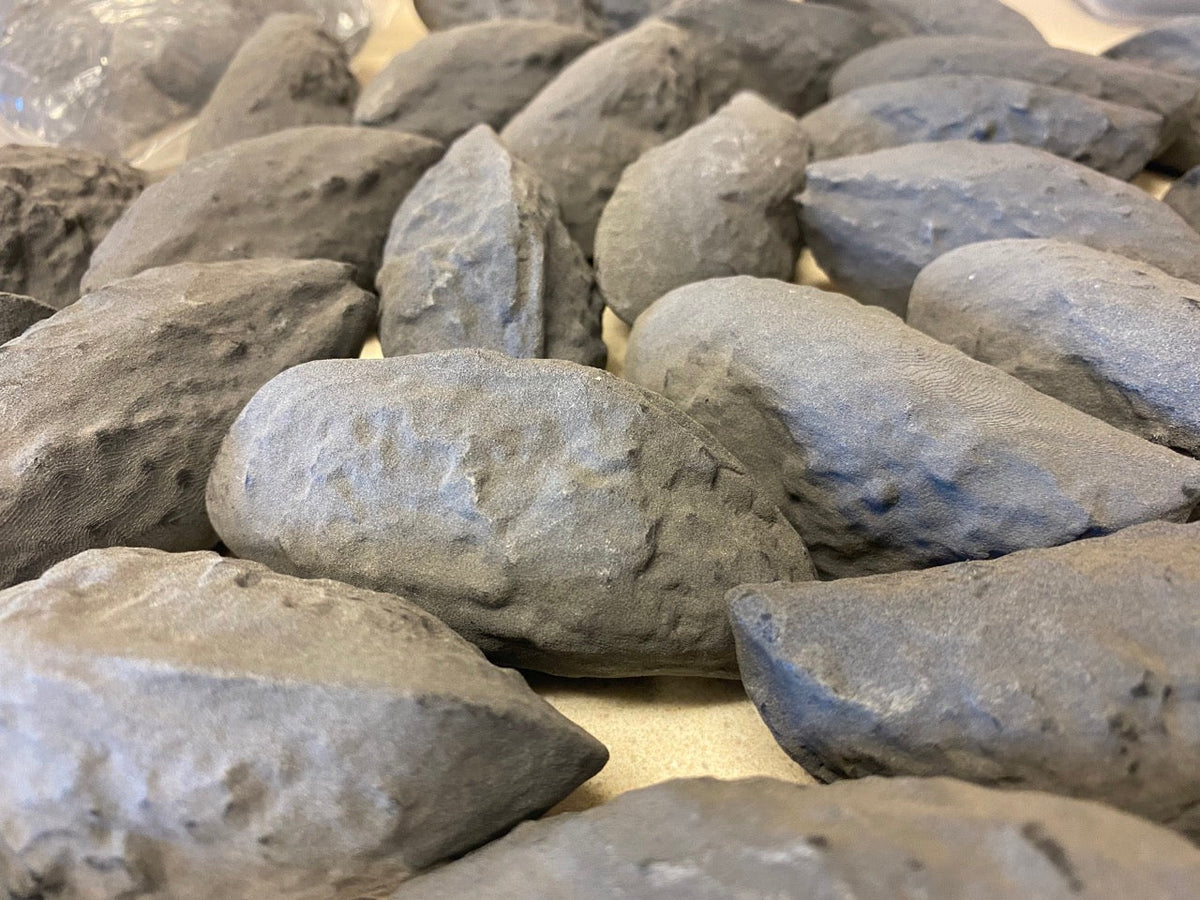
We engineered a robotic mussel: a sensor package in the form of a mussel that sits within the bed alongside live animals. Embedded sensors autonomously measure water flow, temperature and oxygen in the interstitial space of the bed.
What it enables
High-resolution data on the micro-environmental conditions of bivalve habitats, giving researchers new insight into how organisms respond to environmental shifts — measurements that were previously impossible to collect.
Have a measurement no commercial instrument can make? Start a custom project →
Keep reading
More research spotlights